Neck pain has different ways of hindering daily work. Whether it’s turning the head sideways or glancing down at the phone, it makes day to day chores extremely difficult to perform.
While suffering from the discomfort after doctor’s advice, people often look for simple fixes like a neck collar. It is one of the most widely used and reliable support options for people looking for mild neck support.
But, how exactly does the piece of foam wrapped around the neck actually help? Understanding the reason for its functioning according to your needs will help you choose the right supportive tool for your neck.
Let’s dive in!
What Is A Soft Cervical Support?
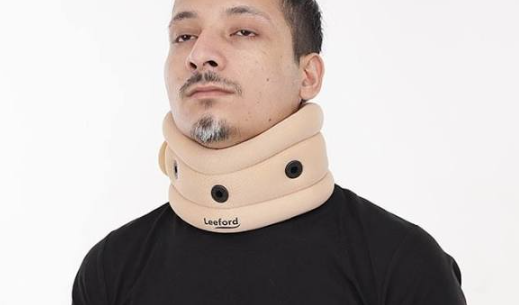
A soft cervical support is also called a soft neck belt. It is a cushioned band that wraps around your neck. It is usually made from PU foam covered with a soft fabric and contains velcro hooks for fastening.
5 Reasons Why We Need A Soft Cervical Collar
We need soft cervical collars primarily as a short-term therapeutic bridge to protect injured neck tissues, manage pain and break the debilitating cycle of muscle spasms during the acute injury. They serve distinct medical and psychological needs during recovery as follows
1. Offloading Strained Tissues
The head requires constant neck movement. When the ligaments are strained, they lose their ability to support that weight safely.
The collar acts as a temporary external support system which shifts the head’s weight directly to the shoulders.
2. Breaking Pain Cycle
When a neck injury occurs, the brain increases the surrounding muscles spasm to protect the spinal cord. However, these continuous spasms cut off local blood circulation, trapping painful acid and causing pain.
The collar supports the head and stops the brain’s signal to surrounding muscles. This restores normal blood flow which delivers needed oxygen as well as nutrients.
See also: Epithalon’s Split Market: How a Soviet-Era Peptide Ended Up on Two Completely Different Shelves
3. Prevents Re-Injury
An unprotected neck with past trauma is highly vulnerable to overstretch and re-tear healing fibers.
The cervical collar acts as a physical support and a constant reminder to the brain.
4. Open Nerve Passageways
Swelling from an injury or inflammation from arthritis can narrow the tiny bony exit windows in your spine where nerves travel down to your arms.
The collar holds the neck in a neutral alignment. This keeps those nerve pathways open, preventing the vertebrae from compressing the sensitive nerve roots.
5. Managing Acute Symptoms during Chronic Conditions
For individuals with degenerative conditions like cervical osteoarthritis or bulging discs, a mild support is required.
A soft collar provides intermittent support during high strain activities to prevent severe pain before it starts.
Benefits of Using A Soft Cervical Collar
It provides mild support for the day to day activity.
- Relieves muscle fatigue
- Prevents painful twists
- Allows gentle movement
- Provides cushioned comfort
- Traps soothing body heat
- Speeds up tissue healing
- Simple to use
- Reduces morning stiffness
9. Improves posture
10. Lowers stress on neck joints
Situations Where A Soft Neck Collar Can Be Used
- Cervical Spondylosis
Relieves pressure from the arthritic joints.
- Post-Surgical Healing
Acts as a physical reminder and light shield during the initial recovery phase after minor neck procedures.
- Early Whiplash
Offers short term comfort during the first few days following minor accidents.
- Chronic Fatigue
Used during high-strain daily tasks to give tired muscles some rest.
- Mild Neck Strains
Eases tension in overworked or injured muscles after a minor twist.
How to Put It On Correctly?
- Position Your Head
Keeping the head straight ahead with your chin parallel to the floor. Do not tilt your head up or down while positioning the collar.
- Align the Center
Place the central curved dip (or trough) of the collar directly under your chin. The collar should support your jawline without forcing your neck backward.
- Fasten the Back
Wrap the sides smoothly around your neck and secure the hook and velcro straps at the back.
- Check the Tightness
The collar must have a comfortable fit. You should be able to slide one finger between the collar and skin. It should not press against your throat or affect your breathing.
General Usage & Safety Guidelines
● Follow Your Prescription
For mild strains, it is recommended to wear it only during high strain activities. Try limiting total use to less than a week or 10 days.
● Resting Rules
Avoid sleeping with it unless advised. It is best to sleep on your back with a thin supportive pillow or firm mattress to maintain alignment.
● Bathing & Daily Hygiene
Take the collar off daily to clean the area. Keep the collar dry if you wear it continuously even while bathing.
● Maintenance
Hand wash it using warm water and mild soap to prevent sweat and bacterial growth. Air dry it before putting it back on.
When To Avoid Using Soft Cervical Collar
● Routine Desk Posture Soreness
Using a collar to fix routine stiffness is not recommended. Active movement, ergonomic adjustments and stretching are far more effective than immobilizing it by a collar.
● Severe Trauma
Spinal injury due to a high impact will not be protected by a soft cervical collar. Unstable fractures or severe ligament injuries require a rigid neck brace to prevent nerve damage.
● Continuous Use
Wearing a collar for more than 7 to 10 days unless explicitly ordered is counterproductive. Your neck muscles will begin to weaken and stiffen, making your neck more prone to pain once the collar is removed.
● Open Wounds
If you have any active cuts or surgical incisions that can trap moisture under a foam collar can cause severe skin infection.
● Nerve Compression with Specific Symptoms
If your neck pain is accompanied by numbness, tingling or radiating pain shooting down your arm, a collar can sometimes compress the nerve further depending on your head position.
Conclusion
A soft cervical collar aids the neck by providing mild support and reducing the muscular efforts around the neck region. It limits the extreme painful movements of the neck during daily activities.
It gently offers a sensory reassurance and helps to maintain a neutral position even while sleeping. It’s a simple yet technical tool for neck injuries. But, it is only effective when used properly and correctly. Otherwise, it can bring additional burden to the affected area. Use it as a supportive pillar in the healing journey of the injury, instead of treating it as an ultimate solution.
