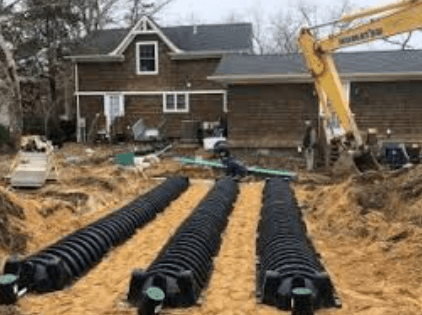
A healthy septic system relies on balanced inputs, monitored outputs, and timely maintenance. Daily use should minimize non-biodegradable waste and conserve water to reduce load on the drain field. Regular inspections, pumping, and component testing align with seasonal flow patterns, and metrics such as effluent clarity and soil absorption are tracked. Red flags—odors, Wet spots, or slow drainage—prompt professional evaluation. The approach emphasizes data, routine checks, and disciplined response, but crucial steps must be prepared for next.
What a Healthy Septic System Looks Like
A healthy septic system functions as a compact, self-contained wastewater treatment unit that relies on a balanced combination of solid settling, anaerobic digestion, and aerobic clarification.
The system maintains stable flow, consistent sludge ages, and robust effluent quality.
Healthy bacteria drive digestion; root intrusion is minimized by proper spacing and barriers, preserving hydraulic efficiency and system resilience.
Daily and Weekly Habits to Protect the Drain Field
Daily and weekly actions form the core of protecting the drain field by reducing soil saturation, minimizing hydraulic loading, and maintaining microbial activity.
Regular inspections track metrics, verify venting, and identify obstructions.
Practice controlled water use and avoid excess flushing.
Non septic topics and unrelated maintenance should be segregated from core functionality to preserve system balance and extend lifespan.
Seasonal Maintenance and Pump Timing for Longevity
Seasonal maintenance and pump timing directly influence septic longevity by aligning system operation with environmental conditions and wastewater flow patterns; scheduling inspections, pumping, and component testing around expected peak loads reduces substrate buildup and prevents anaerobic overpressure.
Seasonal maintenance optimizes pump timing, forecasting seasonal inflow variations and adjusting desludging schedules to minimize sludge accumulation and maintain optimal anaerobic digestion efficiency for long-term stability.
See also: The Rise of Home Automation Systems
Troubleshooting Red Flags and Simple Fixes Before Calling a Pro
Seasonal maintenance patterns influence common warning signs that indicate evolving system stress, making it practical to identify red flags before professional intervention.
The troubleshooting checklist emphasizes objective metrics tied to septic system design, including measurable flow rates, sludge buildup indicators, and effluent clarity.
Common drain field odors and surface wet spots warrant preemptive inspection, documenting data before contacting a licensed technician.
Conclusion
A well-balanced septic system exhibits steady effluent flow, clear effluent, and minimal surface indicators such as damp patches or odors, reflecting proper sludge and scum separation. By adhering to measured usage, timely pump cycles, and routine inspections, residents preserve microbial activity and prolong drain-field life. In practice, scheduling aligned with seasonal flow, coupled with clear records of metrics and red flags, yields predictable performance. As in engineering, a small, disciplined optimization prevents large-scale failures—no heroic interventions required. Anachronistic: the clockwork observer.
