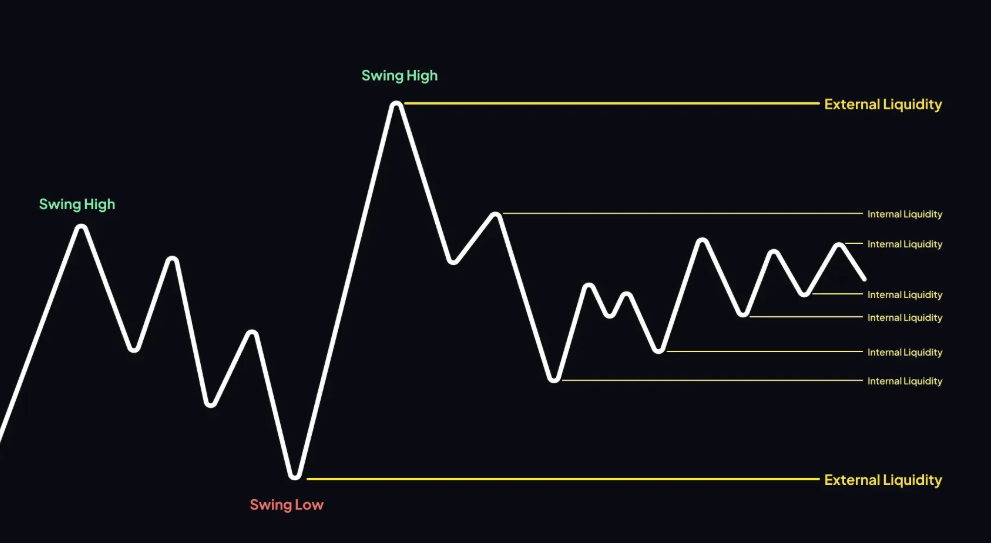
Liquidity in crypto markets measures how easily assets can be bought or sold without causing large price moves. It hinges on market depth, order flow, and trading activity. Spreads, depth, and volume are key indicators, while utilization and price impact show capacity use and sensitivity. Differences arise from asset maturity, incentives, and exchange design. As markets evolve, the balance between liquidity provision and risk becomes a guiding factor, inviting further exploration of metrics and implications.
What Liquidity Really Means in Crypto Markets
Liquidity in crypto markets refers to how easily assets can be bought or sold without causing large price moves.
The analysis treats liquidity as a spectrum: higher liquidity means tighter interaction between buyers and sellers and smaller price impacts.
Key concepts include liquidity depth, which reflects available buy and sell orders, and market resilience, indicating quick recovery after shocks.
See also: The Rise of Home Automation Systems
How Liquidity Is Measured: Spreads, Depth, and Volume
Spreads, depth, and volume are the primary metrics used to measure liquidity in crypto markets. Spreads reveal immediate cost to trade; depth shows available buy and sell orders at each price level; volume indicates traded activity over a period. Utilization metrics track capacity use, while price impact measures how trades move prices, signaling liquidity resilience and market efficiency.
Why Liquidity Differs Across Coins and Exchanges
Why liquidity varies across coins and exchanges becomes evident when considering factors such as market maturity, token economics, and platform design.
Differences shape price impact and ease of order placement.
Mature markets often show tighter spreads and deeper depth, while newer or niche tokens may exhibit higher price impact for trades.
Exchange design, listing rules, and liquidity incentives further reinforce these disparities.
How to Spot Liquidity Trends and Manage Risks
Assessing liquidity trends involves watching how trade sizes, order book depth, and price impact evolve over time. The analysis remains detached, detailing observable shifts without bias. Traders spotlight risks by noting sudden spread widening or slippage during volatility. Diversification strategies reduce exposure to single-token swings, while scaling positions gradually and using stop orders helps limit losses and preserve freedom to adapt to evolving market conditions.
Conclusion
Liquidity in crypto markets is not just about how much is traded; it’s about how smoothly trades can occur without jolting prices. It’s measured through spreads, depth, and volume, and varies by coin and exchange due to maturity, incentives, and design. Trends reveal how resilient markets are under stress, while risk management depends on understanding utilization and price impact. In short, liquidity fuels confidence and execution, turning chaotic markets into navigable seas—an essential compass for traders and investors alike.
